
I’m 34 years old. Married for nearly 15 years. My children are 13, 11, and 7. I’m running two small businesses, leading the children’s ministry at my church, and running my household. This is when I decided it would be a good time to go on a second trip to Kenya. You’d think having gone the year before and experiencing crippling home-sickness, I would’ve learned my lesson.
But, no. I’m one of those people who needs to make a mistake and have a lesson dumped in my lap three for four times before it begins to sink in. (On a side note – I went a third time in 2011…like I said, slow learner here!)
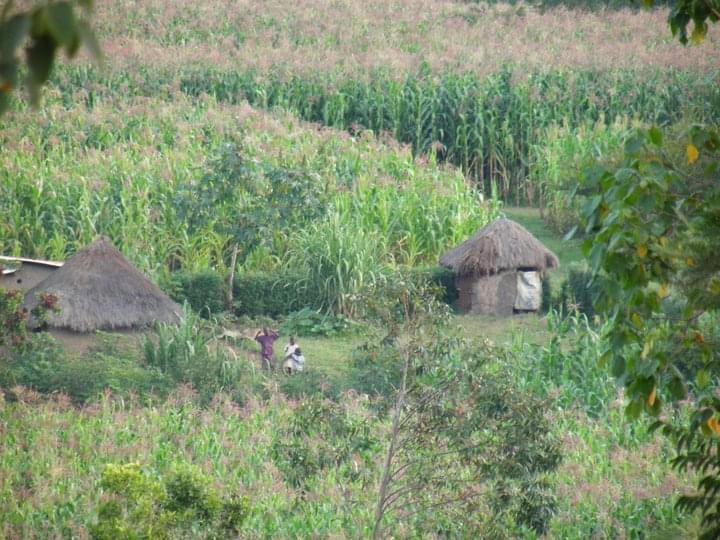
The thing about my trips to Kipkaren, Kenya, though? They weren’t mistakes. Difficult? yes…Could there have been a better time? Probably…Mistakes? Absolutely not! The lessons I learned from this international chapter in my life were the good kind. The kind that inspire and motivate. The kind that leave permanent imprints on the very fabric of who I am. Betty was one of the most impactful people I have ever encountered. What I learned from her is what set me on the path to what I do now; helping others find their way out of the hole they feel lost in. Let me share Betty with you…
I’m not sure on dates or time lines. What I do know is that Betty was suffering with advanced AIDS. I remember her explaining that she had lost her husband already, leaving her alone to care for her young children. As time went on, she began getting quite sick. One particular day, a nurse visiting from America found Betty face down in the dirt outside of her home. She was horribly ill by this point; dehydrated, malnourished, unmedicated, and on death’s door. She was in a desperate state. The nurse got Betty to the nearby village clinic, assessed her and began the process of getting her on a treatment protocol.
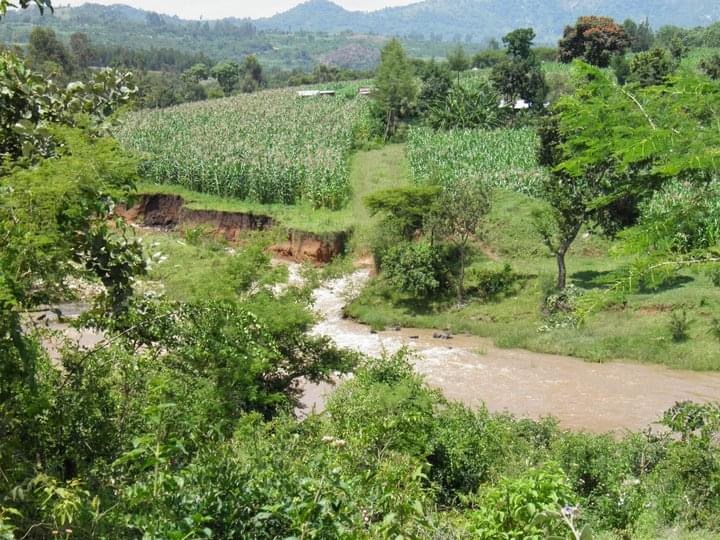
Now, there’s something I learned while I was there. One of my Kenyan friends explained to me that when a villager is diagnosed with a fatal disease neighbors basically write you off. It isn’t because they are uncaring. The mentality in a struggling country is one of survival. Resources are terribly limited. Think about it…if you had very little food or clean water, no guarantee that you’ll be able to get more any time soon, and a family to care for, it would be difficult to spare any for a person who wouldn’t be alive much longer. I realize that seems extremely harsh. But we need to remember that our way of life is very different here in America. Understanding this perspective, you can see why Betty had gone without assistance from nearby neighbors.

Over time, Betty began to bounce back. She regained her strength, and was able to care for her children and home again. To say she was grateful for the care from the clinic staff would be an understatement. What could she do to repay the goodness that was shown to her? There was only one answer…go out and find others who are suffering and alone. Help them find a way back to a vital existence. Show them how to get treatment and care so that they can prolong and improve the quality of the life they had remaining. That’s exactly what she did.
As time moved forward, Betty began traveling around with the medical staff. She would sit next to the beds of those living with HIV/AIDS and explain to them that this isn’t an immediate death sentence. Her experience became a testimony to, regardless of how ill you are, there is always a chance that you can improve. Life doesn’t have to be over.
Here is where this woman absolutely blew my mind…
As I sat on a chair next to her, Betty spoke these words, “I thank my God every day for the gift of AIDS. If I had not been blessed with this illness, how would I be able to go out and help others who have it, too? It is difficult to take advice from a person who is not suffering the way you are. But I am suffering. And I am still standing. And as long as I stand, I will sit next to my fellow brothers and sisters, comfort them, encourage them, and support them as they live with this disease.” WHAT?!? I immediately felt ashamed of every time I complained about anything I had ever had to deal with. Thankful for AIDS? Blessed with this illness? How on earth could a person truly think like this? I decided right there that I would adopt Betty’s outlook on suffering.
Now, listen. I have most definitely NOT been consistent with this. I get caught up in life, go back on auto-pilot and have my moments of feeling sorry for myself. But inevitably, something smacks me upside the head and I remember Betty’s words.
In 2011, I returned to Kipkaren a third time. This trip included my two oldest children – both teenagers. I couldn’t wait for them to meet my Kenyan friends. But most of all, I wanted them to meet Betty.
I was one week too late. Betty finally reached the end of her battle with AIDS. Her funeral was seven days before we arrived. Yes, I was sad that I would never be able to speak to her again. I was frustrated that I would never be able to tell her how much she had inspired me. I was disappointed that my children would never be able to meet her. But, I was thrilled that she had stayed strong to the end. And I was incredibly honored to have been able to sit at her side and hear her story that afternoon five years earlier. What a gift that was! I will share her story as often as I can. I will hold it close to my heart every day. And when I get caught up in my own self-pity, I will see her beautiful face framed in my office and remember…no matter what pain I face, no matter what difficulty I am enduring, what would Betty do? She would be thankful for it and then go out and help others who are feeling the same exact thing. Isn’t that what gets us through this life? Holding each other’s hands in the dark moments.
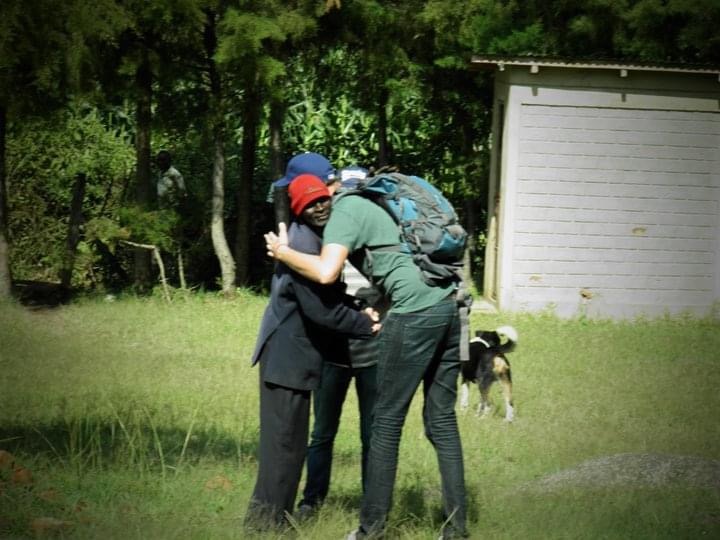

There is one more odd addition to this particular perspective I’ve adopted. As I said, what Betty shared with me that day set me on a path. But there was something else I stumbled upon that has concreted this mindset for me. It was the final piece that pushed me to get certified as an Integrative Health Coach and help others struggling with similar autoimmune, chronic health, and life issues that I have experienced. This last piece came from West Wing…yes, the TV show. Weird, right? We’ve gone from a rural village in Eastern Africa to an NBC drama from the early 2000’s. But I heard Betty in this particular scene. Take a minute and watch…
This is my absolute favorite scene in the entire series. It wraps up beautifully everything that Betty was saying. It encompasses the very reason I want to find all the people living with autoimmune disease, overwhelm, chronic stress, etc. Because I’ve been in that hole. Betty was in a hole. She found the way out and spent the rest of her days jumping back in that hole to show others their way out, too.
What holes have you climbed out of in your life? Are there others around you stuck in that same hole? Would you be willing to jump back in and show them the way out? What a beautiful way to turn what you went through into a gift…something you can be grateful for. The next time you see someone in the hole you were freed from, ask yourself, “What would Betty do?” And then follow her lead.

If you would like to receive Kim’s posts in your email inbox, subscribe above.
Kim Smith is a Certified Integrative Health Coach who lives in the San Gabriel Mountains with her husband of nearly 30 years. She offers health, nutrition, and weight loss coaching, as well as stress management training, and support for autoimmune disease and chronic illness patients. She is in the process of releasing her signature online course, “RESET Your Life”, due to launch in November of 2021.
For more information on the programs she offers, visit her website at http://www.resetihs.com
You can also contact her at (951) 634-1100 or email at kim@resetihs.com
* Photo credit: Christie Hemm Klok
 The Third Quarter